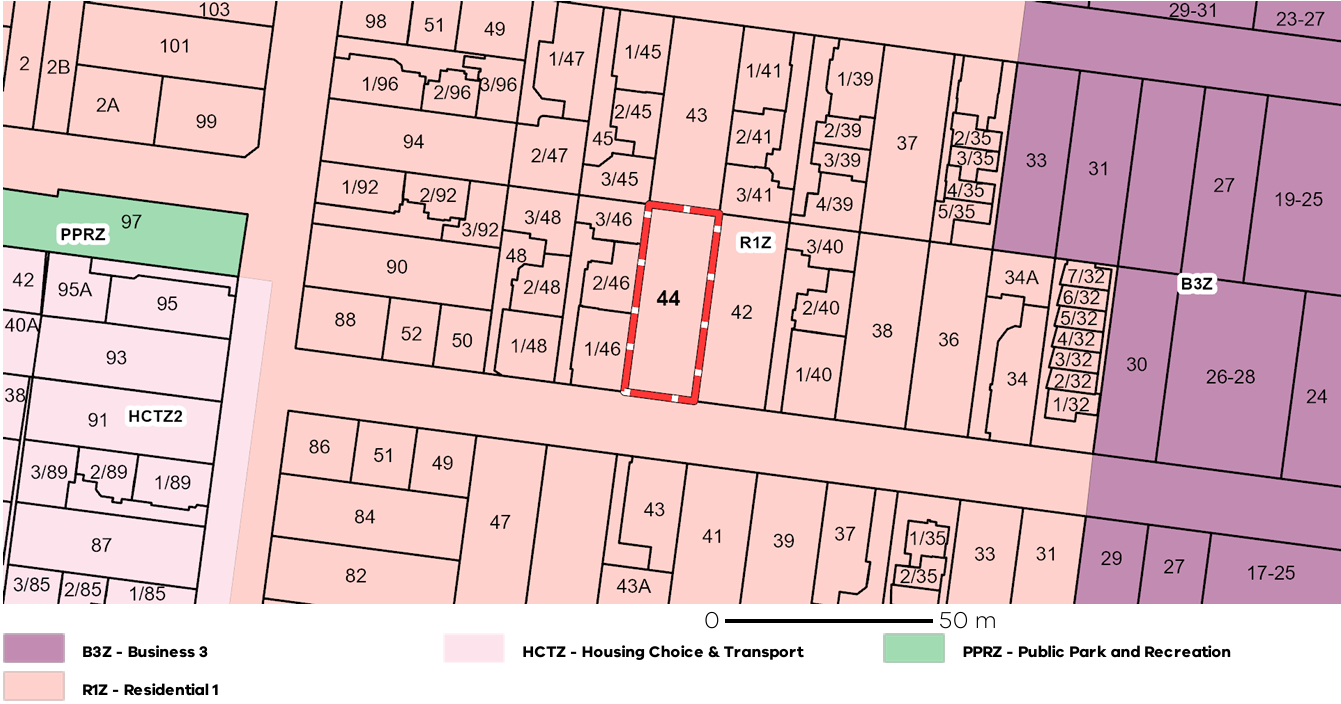
Attera Snapshot: Know the Land Before You Commit
Attera Snapshot is a high-level, desktop-based environmental insight report designed to help property buyers understand land-related context before they commit.
Using publicly available mapping and aerial imagery, the Snapshot highlights factors such as bushfire context, flood mapping, slope, planning overlays, and local environment — without providing engineering, planning, or certified advice.
It’s a smarter first step for buyers who want clarity early, before engaging specialists or committing to a purchase.
Most people buying property focus on the building.
The land — its constraints, risks, and context — is often an afterthought.
That’s backwards.
Bushfire exposure, flood mapping, slope, environmental overlays, and surrounding context can materially affect what you can build, what it will cost, and whether specialist reports will be required later.
Attera Snapshot exists to solve one problem:
giving buyers and agents early, clear environmental context without forcing them into expensive or premature consultant work.
What Is Attera Snapshot?
Attera Snapshot is a high-level, desktop-only environmental insight report prepared using publicly available government datasets and aerial imagery.
It provides a clear snapshot of environmental context at a specific property address, helping buyers understand potential constraints before committing to a purchase or design pathway.
You can view the product here:
👉 https://www.attera.au/snapshot
The Snapshot is designed for:
Property buyers
Real estate agents
Early feasibility or due-diligence checks
Anyone wanting clarity before engaging specialists
What Information Does the Snapshot Cover?
Each Attera Snapshot focuses on environmental and planning-aligned context, including:
Bushfire and wildfire context (desktop mapping only)
Flood and drainage overlays (where visible in public datasets)
Land slope and general stability indicators
Zoning and planning overlays
Vegetation and biodiversity context (mapping-based)
Waterway proximity
Local amenity and access context
A simple environmental risk snapshot
The emphasis is on visibility, not opinions.
This is not about telling you what to do.
It’s about showing you what exists at a mapping level.
What Attera Snapshot Is — and Is Not
This distinction matters.
What It Is
Desktop-based environmental context
Mapping-led insights using public data
Early-stage clarity
Plain-English summaries
Neutral, independent reporting
What It Is Not
Engineering
Planning advice
A feasibility study
A certified report
A BAL rating
Flood modelling
Soil or geotechnical assessment
Ecological or contamination surveys
Attera Snapshot does not replace specialists.
It helps you understand when specialists may be required.
That boundary is deliberate — and it protects buyers from false certainty.
Why Buyers Use Attera Snapshot
Property purchases are often emotional and time-pressured.
Environmental constraints usually appear late, when design costs are already sunk.
Buyers use Attera Snapshot to:
Avoid surprises after purchase
Understand whether a site is likely to be straightforward or complex
Ask better questions of builders, designers, and councils
Decide whether a property aligns with their risk appetite
Compare properties on more than just price and appearance
In many cases, the Snapshot confirms that a site is low complexity.
That reassurance alone is valuable.
Why Agents Share It
Real estate agents are increasingly asked about:
Flood risk
Bushfire exposure
Environmental overlays
Site constraints
Agents should not — and legally cannot — provide technical advice.
Attera Snapshot gives agents a neutral, third-party document they can share to support buyer understanding without giving opinions or guarantees.
It’s informational, not advisory.
Why Desktop-Only Matters
Attera Snapshot is intentionally desktop-based.
Why?
Because early decisions don’t need fieldwork, modelling, or certification — they need context.
Desktop mapping:
Is fast
Is affordable
Matches how buyers actually make early decisions
Avoids over-engineering at the wrong stage
When deeper analysis is required, the Snapshot clearly flags that — and points buyers toward the right specialists.
When You Still Need Specialists
Attera Snapshot does not remove the need for:
Engineers
Bushfire consultants
Planners
Ecologists
Geotechnical professionals
If a site triggers regulated requirements, those specialists are essential.
The Snapshot simply ensures you don’t walk into those costs blind.
A Smarter First Step
Most property buyers either:
Know nothing about the land, or
Are forced straight into expensive reports
Attera Snapshot sits between those extremes.
It’s a first step, not a final answer.
If you want to understand a property’s environmental context before you commit — without overpaying or over-complicating things — Attera Snapshot is built for exactly that moment.
👉 Learn more or view an example at https://www.attera.au/snapshot

Common Site Constraints in Small Residential Developments (VIC)
Small residential developments often encounter planning overlays, vegetation considerations, waterways and slope-related constraints. Identifying these early helps support smoother design and approval processes for projects in Victoria.
Small residential developments — extensions, knock-downs, rebuilds and new dwellings - often encounter environmental and site constraints that influence design and construction. Identifying these early helps reduce unexpected conditions, revisions or delays.
This article outlines the most common constraints visible in publicly available datasets and planning information.
Zoning & Overlay Triggers
Zoning sets the land-use context, while overlays indicate sensitive attributes.
Common overlays affecting small projects:
ESO (Environmental Significance Overlay)
VPO (Vegetation Protection Overlay)
SLO (Significant Landscape Overlay)
BMO (Bushfire Management Overlay)
LSIO (Land Subject to Inundation Overlay)
Overlays often influence documentation requirements rather than design itself.
Waterway & Drainage Context
Even small sites can be close to:
waterways
stormwater assets
overland flow paths
wetlands
catchment boundaries
These factors can influence basic site planning and may trigger additional documentation or specialist involvement.
Vegetation Considerations
Tree protection zones, root systems, and native vegetation overlays can create design constraints. Desktop identification supports early planning discussions.
Bushfire Context
If a site is in BMO, certification is required.
If outside BMO, bushfire considerations may still influence access or vegetation management.
Erosion & Sediment Risk for Construction
Slope, soil exposure, and drainage direction influence:
sediment fencing needs
stockpile management
temporary access points
site stabilisation timing
Desktop insights help plan practical controls.
Adjacent Land Use
Nearby:
reserves
forests
industrial areas
open space
agricultural land
can influence environmental considerations or permit conditions.
Conclusion
Understanding site constraints early in a project supports smoother approvals and clearer expectations. Desktop analysis provides valuable early insights while noting where specialist assessment is required.

Bushfire Mapping & BAL Inputs: Understanding the Basics (VIC)
Understanding basic bushfire mapping and vegetation context helps anticipate when a certified BAL assessment will be required in Victoria. This guide provides non-certified, high-level bushfire information for early project planning.
Bushfire risk is a major planning consideration across Victoria, especially in peri-urban and regional areas. Many small developments encounter bushfire-related requirements early in the design process, often before engaging a BPAD-accredited assessor.
This article provides general, non-certified guidance about how to interpret bushfire mapping and what factors typically influence BAL (Bushfire Attack Level) considerations.
Bushfire Management Overlay (BMO)
The primary trigger in Victoria is the BMO. If a site falls within the overlay, a certified bushfire assessment will be required to determine the BAL rating and assess defendable space.
A desktop review can identify:
whether the property is in BMO
the extent of mapped bushfire hazard
proximity to classified vegetation
surrounding land use context
This is useful during early design, but it is not a certified BAL assessment.
Vegetation Categories (High-Level Overview Only)
Vegetation near a site influences bushfire considerations. Typical high-level categories include:
forest
woodland
shrubland
grassland
urban managed vegetation
A desktop review can identify approximate vegetation types based on public datasets, but formal classification must be undertaken by a qualified practitioner.
Separation Distance
BAL ratings depend partly on the distance between the building and the nearest classified vegetation.
A desktop summary can help identify:
likely defendable space constraints
nearby unmanaged vegetation
areas where certification may highlight challenges
Terrain & Slope
Slope affects fire behaviour. Identifying slope direction (upslope/downslope) from public elevation data helps predict whether specialist input is likely to be more complex.
When You Must Engage a BPAD Practitioner
Specialist input is required when:
any BMO is present
vegetation is close to the building envelope
the site is steep
the design includes complex building forms
certification is required for a planning application
Desktop summaries assist early-stage understanding but are never a substitute for certified BAL ratings.
Conclusion
Understanding basic bushfire mapping allows small developers and builders to anticipate the need for specialist assessment. Desktop inputs help clarify expectations and support early design decisions while remaining firmly non-certified.
What a Desktop Environmental Due Diligence Can Reveal Before You Buy Land (VIC)
A desktop environmental due diligence review can reveal important planning and environmental factors before design begins. This high-level assessment highlights overlays, waterways, vegetation context and slope information to support early project decisions without replacing specialist advice.
Small residential projects in Victoria often run into unexpected planning or environmental issues late in design. A simple desktop environmental due diligence review can reveal many of these factors early—long before a site visit or specialist assessment is required.
This is not a technical assessment, and it does not replace certified bushfire, ecological, hydrological, or geotechnical advice. Instead, it provides a clear picture of publicly available constraints that may influence design, feasibility, or construction considerations.
Why Desktop Due Diligence Matters
Many environmental triggers show up in planning layers and public datasets. Identifying these early can help owners, designers, and builders:
anticipate permit conditions
avoid unexpected redesigns
understand likely environmental constraints
prepare realistic expectations
decide whether specialist input may be needed
A desktop review offers clarity before deeper investigations begin.
Key Elements Reviewed
1. Planning Zones & Overlays
Using resources like VicPlan, key elements include:
Environmental Significance Overlay (ESO)
Vegetation Protection Overlay (VPO)
Land Subject to Inundation Overlay (LSIO)
Bushfire Management Overlay (BMO)
Significant Landscape Overlay (SLO)
Each can influence design direction, documentation requirements, and approvals.
2. Waterways, Drainage & Catchment Context
Proximity to:
creeks
drainage reserves
overland flow paths
wetlands
flood-prone areas
These can influence setbacks, stormwater expectations, or the need for further assessment.
3. Vegetation Context
Public datasets can indicate:
native vegetation presence
potential habitat areas
tree protection overlays
mapped ecological communities
This does not replace ecological assessment, but it provides useful early context.
4. Slope & Site Form
Slope direction and steepness influence:
potential erosion risk
sediment control requirements
building platform planning
drainage management
Even small changes can affect construction staging.
5. Bushfire Context (Non-Certified)
Overlay mapping indicates whether a site is within a designated bushfire area.
This helps anticipate whether a certified BAL assessment will be required.
6. Infrastructure & Surrounding Land Use
Desktop tools can show:
adjacent open space
industrial land
waterways
reserves
infrastructure easements
This supports broader planning awareness.
What Desktop Reviews Do Not Include
To avoid confusion, a desktop due diligence review is not:
a BAL assessment
a flora/fauna or ecological survey
a geotechnical investigation
a hydrological or contamination report
an engineering analysis
It is a planning-oriented environmental summary only.
Conclusion
Desktop due diligence reviews offer a simple, practical starting point for understanding environmental constraints on small projects in Victoria. They support better design conversations, clearer expectations, and informed project planning—without requiring specialist assessment unless clearly triggered.

What Councils Commonly Require in an Environmental Management Plan (VIC)
Victorian councils regularly request Environmental Management Plans as part of planning and building approvals. This article outlines the typical structure of an EMP, the documentation councils expect, and common reasons for revision. It provides a clear, practical overview for designers, planners and builders working on small to mid-size projects.
Environmental Management Plans (EMPs) are routinely requested by Victorian councils during planning or building permit processes. These documents help demonstrate that environmental impacts during construction will be managed in a practical and consistent way.
This guide outlines what councils commonly expect to see in an EMP, to help designers, planners and builders understand the typical structure and documentation requirements. This article is informational only and does not constitute engineering or certified environmental advice.
Why Councils Request EMPs
Councils use EMPs to assess whether a project has considered and documented:
Environmental impacts during construction
Proposed mitigation measures
How site activities will be controlled
Roles and responsibilities on the project
Compliance with relevant local policies
The goal is clarity, not technical modelling. Most Victorian councils expect the document to summarise risks and controls in a clean, structured format.
Basic Structure Councils Commonly Expect
While formats differ between councils, most EMPs include:
Site description
Location
Surrounding context
Any known environmental sensitivities
Project overview
Type of construction
Expected duration
Key on-site activities
Environmental risks
Councils typically expect coverage of:
Sediment and erosion risks (documentation only)
Waste generation
Dust and air quality impacts
Noise and vibration
Site access issues
Potential impacts on vegetation or drainage
Mitigation measures
This is where the EMP outlines practical controls such as:
Sediment control notes
Dust suppression practices
Waste handling arrangements
Noise/time-of-day management
Spill response procedures
Roles and responsibilities
Councils often ask for:
Who manages site compliance
Who monitors controls
Reporting expectations
Monitoring and housekeeping
EMPs normally include:
Inspection frequency
General housekeeping standards
Record keeping
Common Council Comments When EMPs Are Insufficient
Across Victoria, councils frequently request revisions for the following reasons:
Insufficient detail about sediment controls
Lack of practical mitigation measures
Missing site access information
No description of construction methodology
No mention of waste handling or storage
Generic, copy-paste controls not aligned to the site
Most feedback relates to clarity rather than technical deficiencies.
What EMPs Do Not Cover
To prevent misunderstandings, it is important to note what EMPs do not provide:
No hydrological design
No engineered ESC modelling
No contamination assessment
No ecological surveys
No certification of compliance
No technical engineering analysis
The EMP is a practical documentation tool, not a technical design document.
Who Typically Prepares EMPs
In Victoria, EMPs are commonly prepared by:
Building designers
Planning consultants
Builders
Specialist documentation providers
Most small to mid-size residential projects rely on clear, document-focused EMPs rather than engineering reports.
How Builders and Designers Can Streamline EMP Submission
To reduce council turnaround times:
Confirm any specific council guidance notes
Clearly describe site activities
Avoid generic text that does not reflect the project
Provide clear, simple lists rather than long narrative sections
Maintain a consistent structure across documents
Conclusion
EMPs play a practical role in demonstrating construction-phase environmental management. Councils primarily want clarity, consistency and relevant detail, rather than technical modelling or engineering design.
For more information on EMP preparation, see Attera’s service page:
Environmental Management Plans (EMP)

Non-Engineered Erosion & Sediment Control Documentation: What Small Builders Need to Know (VIC)
Small building projects in Victoria often require non-engineered erosion and sediment control documentation. This article explains the purpose of ESC notes, what they typically include, and how they differ from engineered designs. It provides practical guidance for builders preparing documentation for council review.
Erosion and sediment control (ESC) is an important aspect of construction, particularly on sites with disturbed soil, slopes or areas close to drainage paths. Councils across Victoria often request documentation demonstrating that sediment controls will be implemented during works.
This article outlines the role of non-engineered ESC documentation, which is the type typically required for small to mid-size building projects. It does not cover engineered ESC plans or hydrological modelling.
What “Non-Engineered” ESC Documentation Means
Non-engineered ESC documentation refers to:
Practical site notes
Standard control descriptions
Basic layout references
Housekeeping measures
Access management details
It is not a technical or engineered design.
No modelling or hydrological analysis is included.
This is the level of documentation most Victorian councils expect for residential and small commercial projects.
Why Councils Request ESC Documentation
Councils request ESC documentation to confirm that:
Sediment will be contained on-site
Stockpiles will not enter drainage lines
Construction traffic will not spread sediment
Soil disturbance remains controlled
Basic environmental practices will be followed
The council’s goal is clarity, not engineering detail.
Common Inclusions in Non-Engineered ESC Documents
Typical components include:
Sediment Controls
Common notes include:
Silt fencing
Sediment traps
Ground cover management
Containment measures around stockpiles
Site Access
Documentation often outlines:
Stabilised access points
Vehicle containment measures
Management of mud tracking
Stockpile Management
Basic notes covering:
Placement location
Covering materials
Drainage considerations
Drainage Path Protection
Documentation may include descriptions of:
Keeping sediment away from natural or constructed drains
Basic precautions to avoid runoff
Housekeeping Measures
Usually includes:
Daily clean-up
Litter and waste containment
Temporary storage areas
What This Documentation Does Not Provide
To prevent confusion, it is important to outline the exclusions:
No hydrology
No engineering calculations
No formal ESC design
No WSUD elements
No stormwater compliance design
No certification
This documentation supports compliance but does not replace technical advice where required.
When a Builder Should Seek an Engineer or WSUD Specialist
Escalation may be required if:
The site has complex drainage issues
There are waterways or wetlands nearby
The council specifies engineered controls
There are high stormwater sensitivity areas
Large commercial/industrial construction is planned
Most single dwellings and small developments do not require engineering involvement for ESC, unless explicitly requested.
Benefits of Clear Non-Engineered ESC Documentation
Small builders benefit from:
Fewer council queries
Reduced delays before starting work
Clear expectations for trades on site
Consistency across documents
Ability to standardise processes across multiple projects
Conclusion
Non-engineered ESC documentation is a straightforward but important component of many Victorian planning and construction processes. Clear, site-specific notes help reduce council feedback and support practical environmental management on-site.
For more detail on Attera’s ESC documentation services, visit:
Erosion & Sediment Control

Understanding Environmental Conditions in Planning Permits (VIC)
Planning permits in Victoria often include environmental conditions that must be addressed before works can begin. This article explains the most common types of conditions, the documents typically required, and why councils request additional information. It provides a straightforward reference for professionals navigating the permit process.
Planning permits in Victoria often include environmental conditions that must be satisfied before works begin. These conditions vary by council and project type, but many fall into a few predictable categories.
This article provides a structured overview of the environmental conditions commonly included in Victorian planning permits, along with the documentation typically requested. The information is general in nature and does not constitute engineering or certified assessment.
Why Environmental Conditions Are Included
Councils include environmental conditions to ensure:
Construction impacts are managed
Site activities do not affect neighbouring properties
Local environmental policies are followed
Any risks are addressed before construction begins
Conditions help council officers verify that appropriate documentation is provided at the right stage of the project.
Typical Environmental Conditions
Environmental Management Plan (EMP)
Commonly required for:
Multi-unit developments
Commercial builds
Sites with overlays
Projects with potential construction impacts
Erosion & Sediment Control Documentation
Common for:
Sloping sites
Urban infill projects
Areas close to drainage paths
Documentation generally includes:
Sediment controls
Stockpile notes
Access management
(Not an engineered ESC plan.)
Tree Protection or Vegetation Management Notes
Often requested when:
Existing trees are near construction
Vegetation is protected by overlays
These are usually basic protection notes, not ecological surveys.
Bushfire-Related Information
In areas affected by bushfire planning requirements, councils may request:
BAL-related documentation
Input mapping to support certified assessors
This must be clearly non-certified.
Waste and Materials Handling
Conditions sometimes require:
Waste storage arrangements
Construction-phase waste management notes
Site Access and Traffic Management (Documentation)
For smaller projects, councils request simple documentation showing:
Vehicle access points
Pedestrian safety considerations
This is distinct from a formal Traffic Management Plan.
Pre-Start and Post-Approval Documentation
Many councils require documents at additional stages:
Pre-Start Conditions
Common requests include:
EMP
ESC documentation
Site management notes
Prior to Occupancy
More administrative conditions, such as:
Waste management confirmation
Site clean-up
Landscaping compliance documentation
Why Documentation Is Rejected
Common reasons for council feedback include:
Generic content
Missing site-specific information
Insufficient detail about sediment and erosion controls
Unclear roles/responsibilities
Misinterpretation of the condition wording
Most rejections relate to clarity, not technical content.
How Designers and Builders Reduce Delays
Practical steps include:
Reading each condition carefully
Using consistent document structure
Verifying if the council has guidance notes
Keeping documentation simple, factual and site-specific
Avoiding engineering language unless provided by a qualified professional
Conclusion
Environmental conditions in planning permits are common and generally straightforward if the required documentation is prepared clearly. Understanding what councils expect helps reduce delays during approvals and project commencement.
Learn more about Attera’s documentation services here:
Services